Open to all park visitors during open hours.
Lost Land of the Dodo
An Island's Lesson in Fragility
This is not just an exhibition. It's a quiet warning.
Welcome to the Lost Land of the Dodo
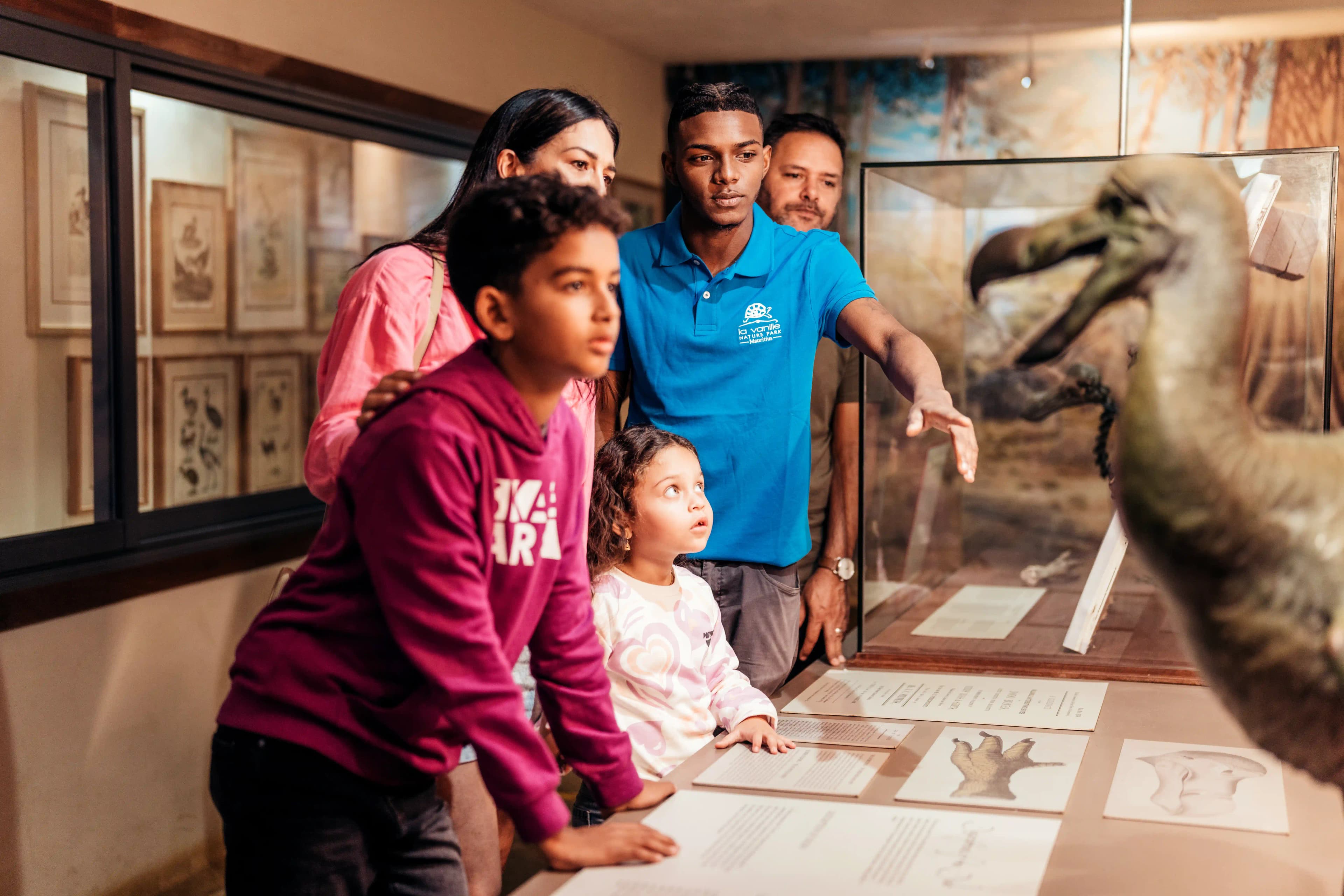
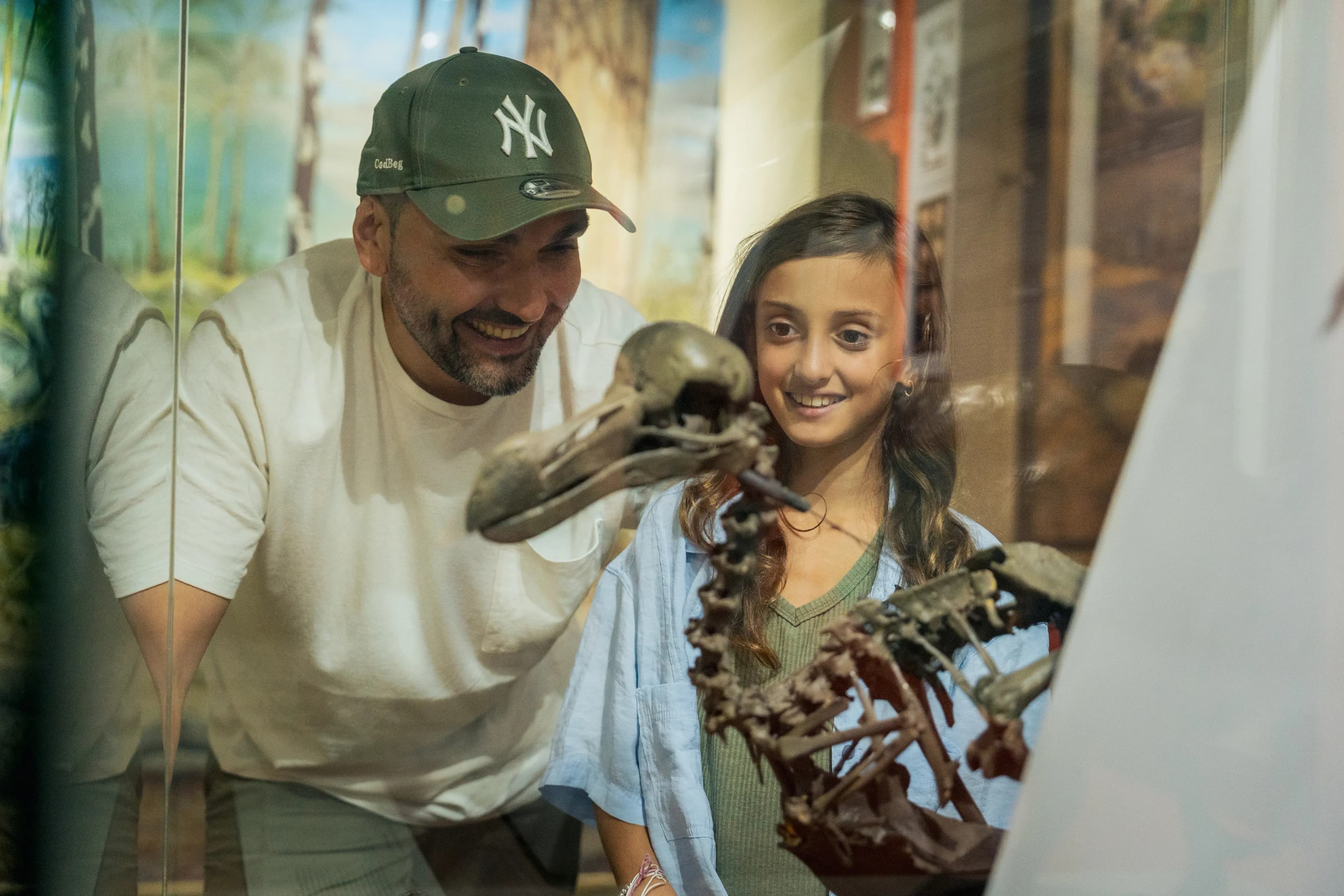
At the heart of Lost Land of the Dodo sits the most famous bird that no longer exists. But this isn't only about loss. It's about how quickly a balanced world can fall apart and what that means for us today.
Through real science, fossil evidence, and careful reconstruction, we bring the dodo's world back into view. Not as a curiosity. As a conversation starter.
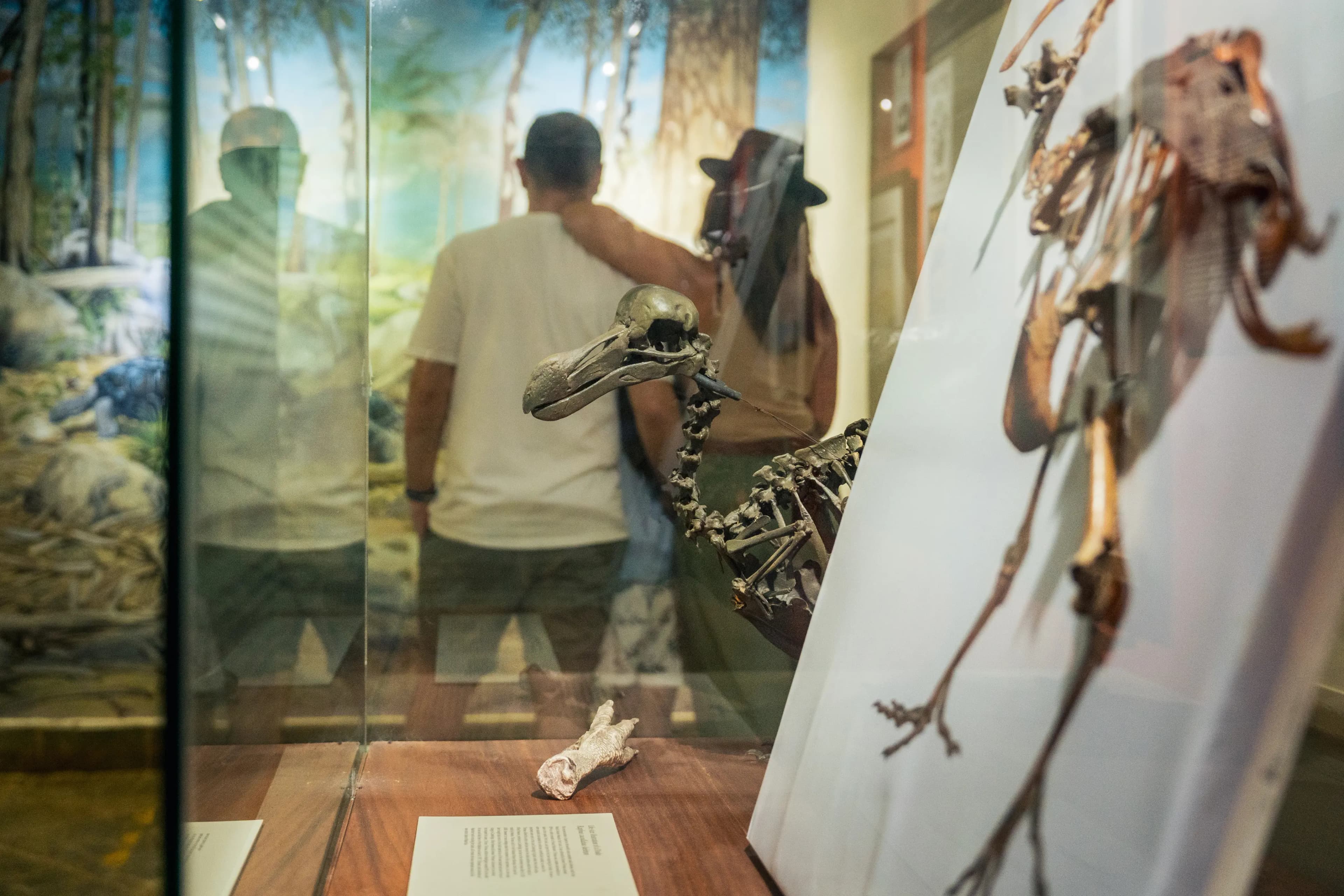
The World Before Humans
For millions of years, Mauritius grew up alone, no large predators, no hurried changes. Birds, plants, and reptiles evolved in gentle isolation.
It was a fragile, perfect dance. Then humans arrived.
Within a few decades, that dance stopped.
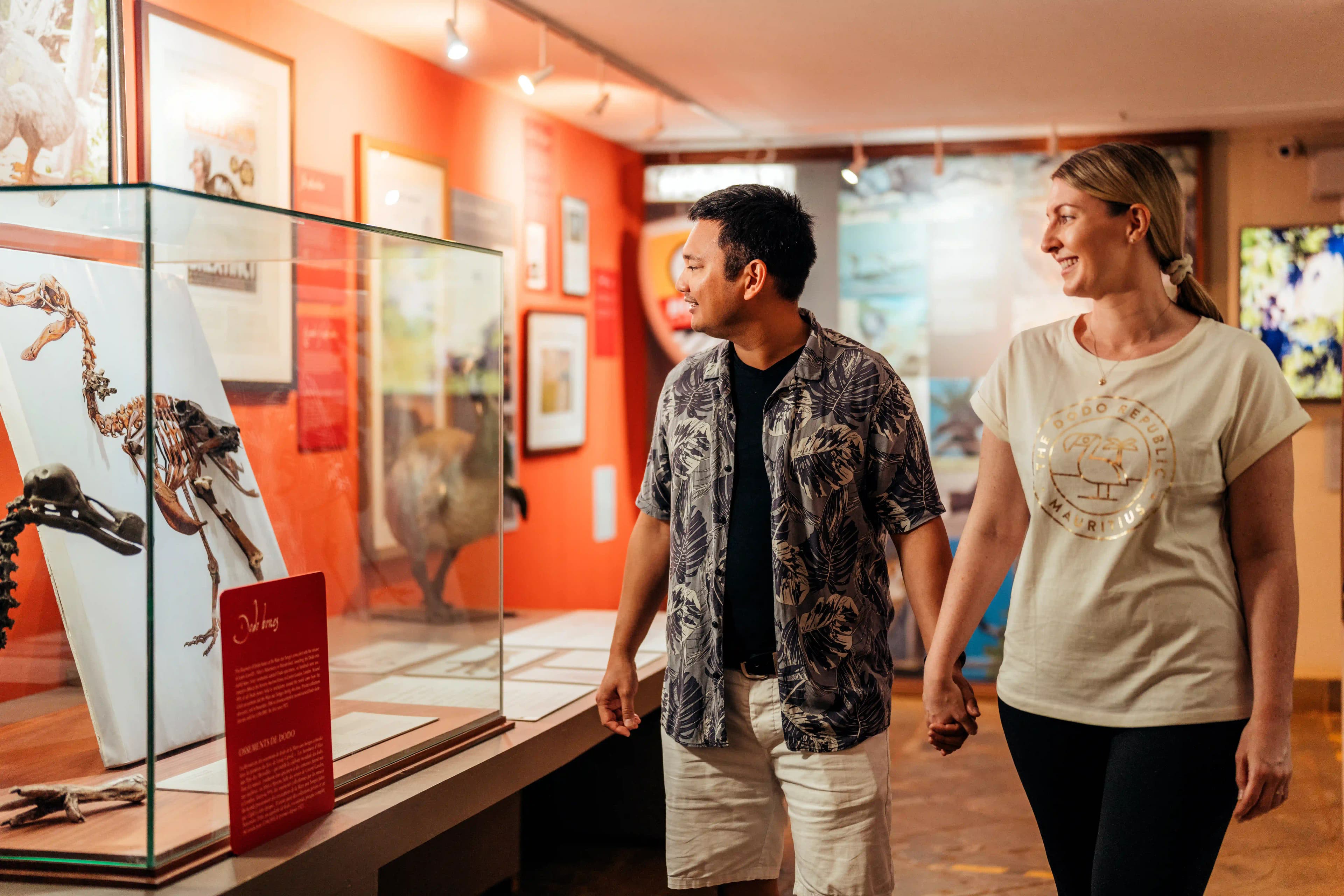
What Happened When We Arrived
The dodo was found only in Mauritius. For a long time, it lived safely in our forests, with no reason to fear.
But when people arrived, the island changed. Forests were cut, and new animals such as rats, pigs, cats and monkeys began to disturb its nests.
The dodo could not survive these changes and by the late 1600s, it was gone.
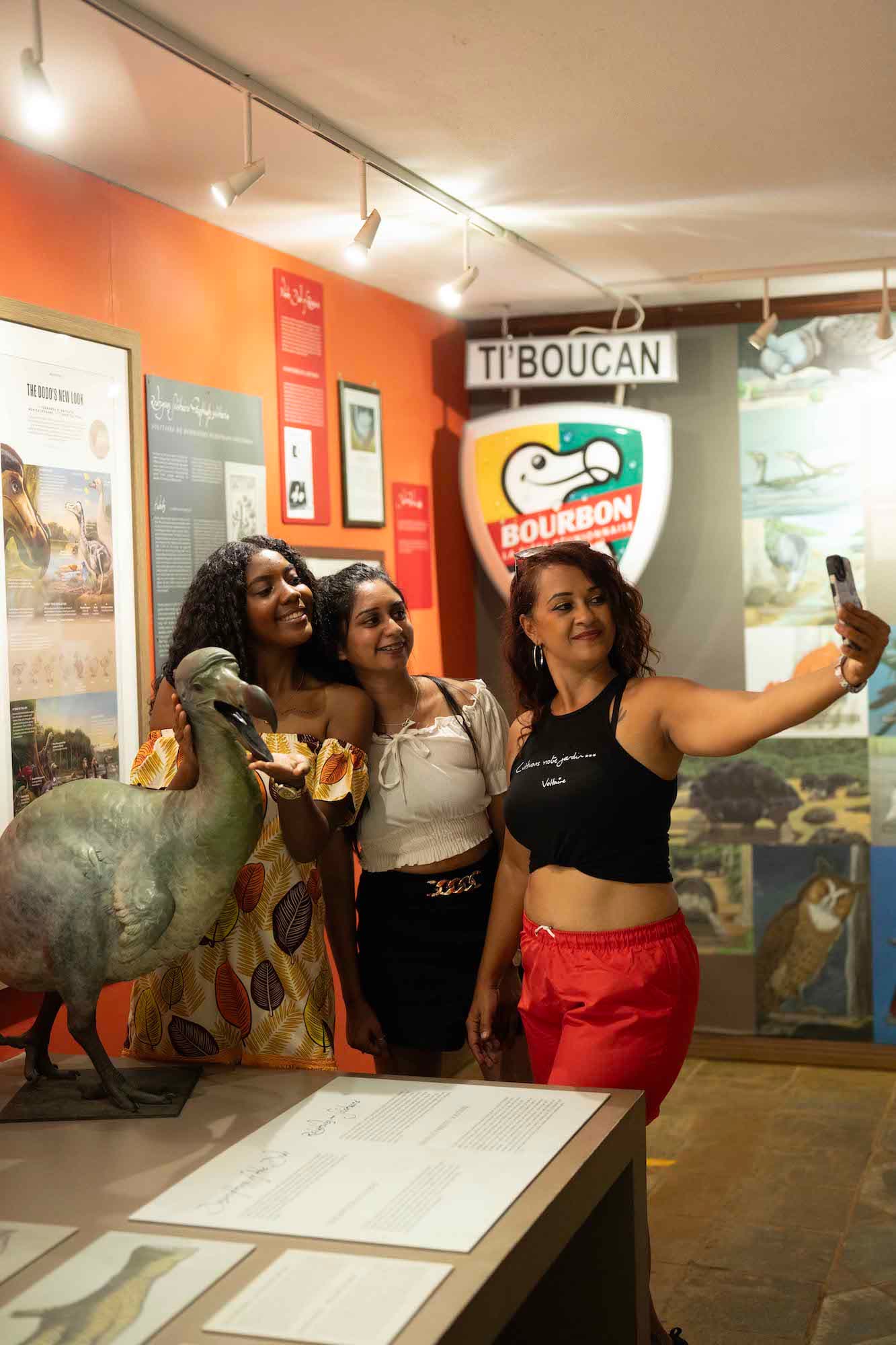
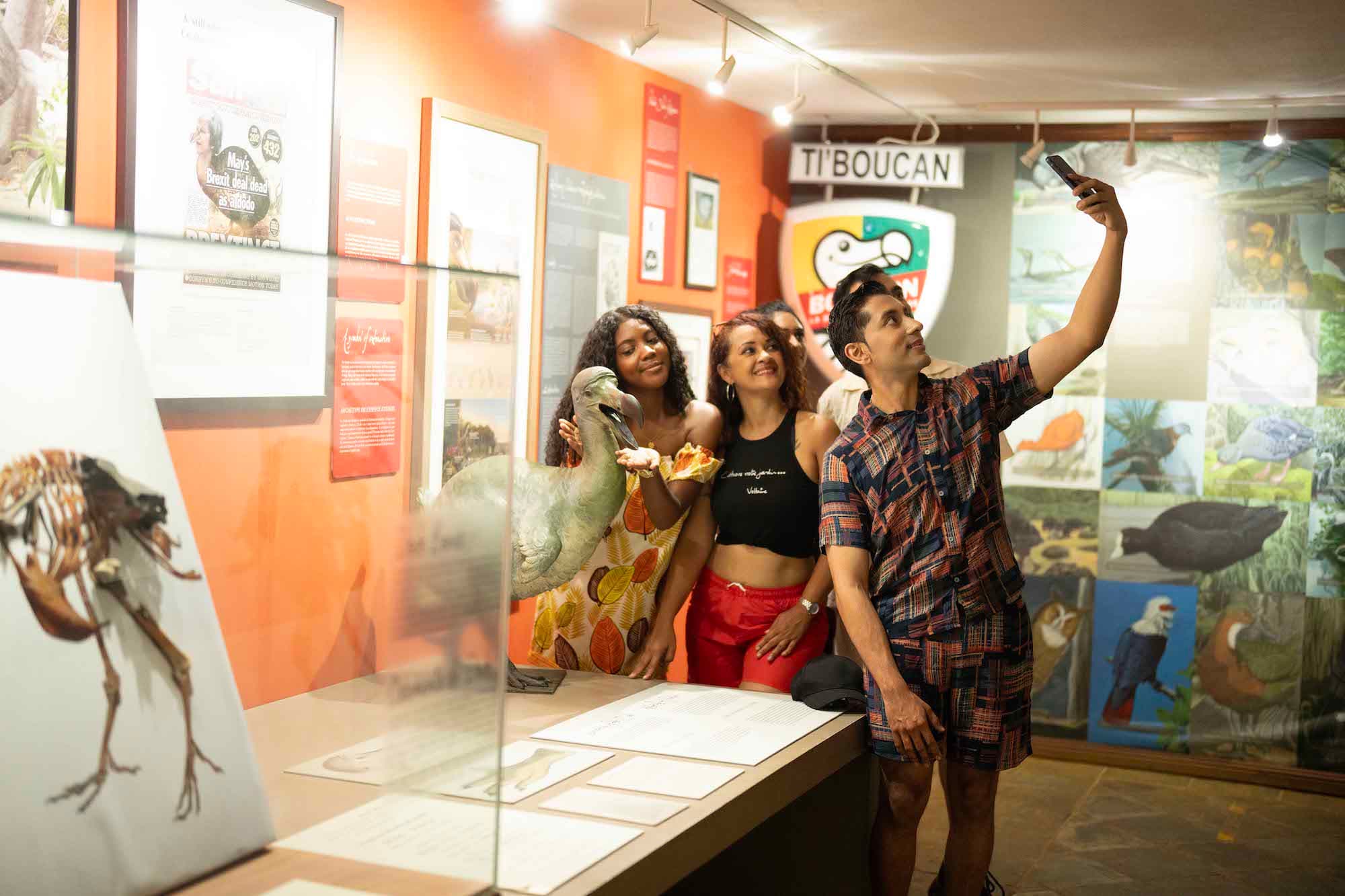
Bringing the Dodo back (Scientifically)
We can't bring the dodo back to life. But we can rebuild it, bone by bone, fact by fact.
Using real fossils and modern research, our reconstructions show you exactly how the dodo looked, moved, and lived. This isn't imagination. It's science with a memory.
The dodo's story isn't ancient history. It's a mirror.
Here's what the exhibition helps you understand:
- How Islands like Mauritius became Unique Worlds
- Why Humans can accidently destroy what took millions of years to build
- How extinction happens, often quietly, then suddenly
- Why conservation matters more now than ever
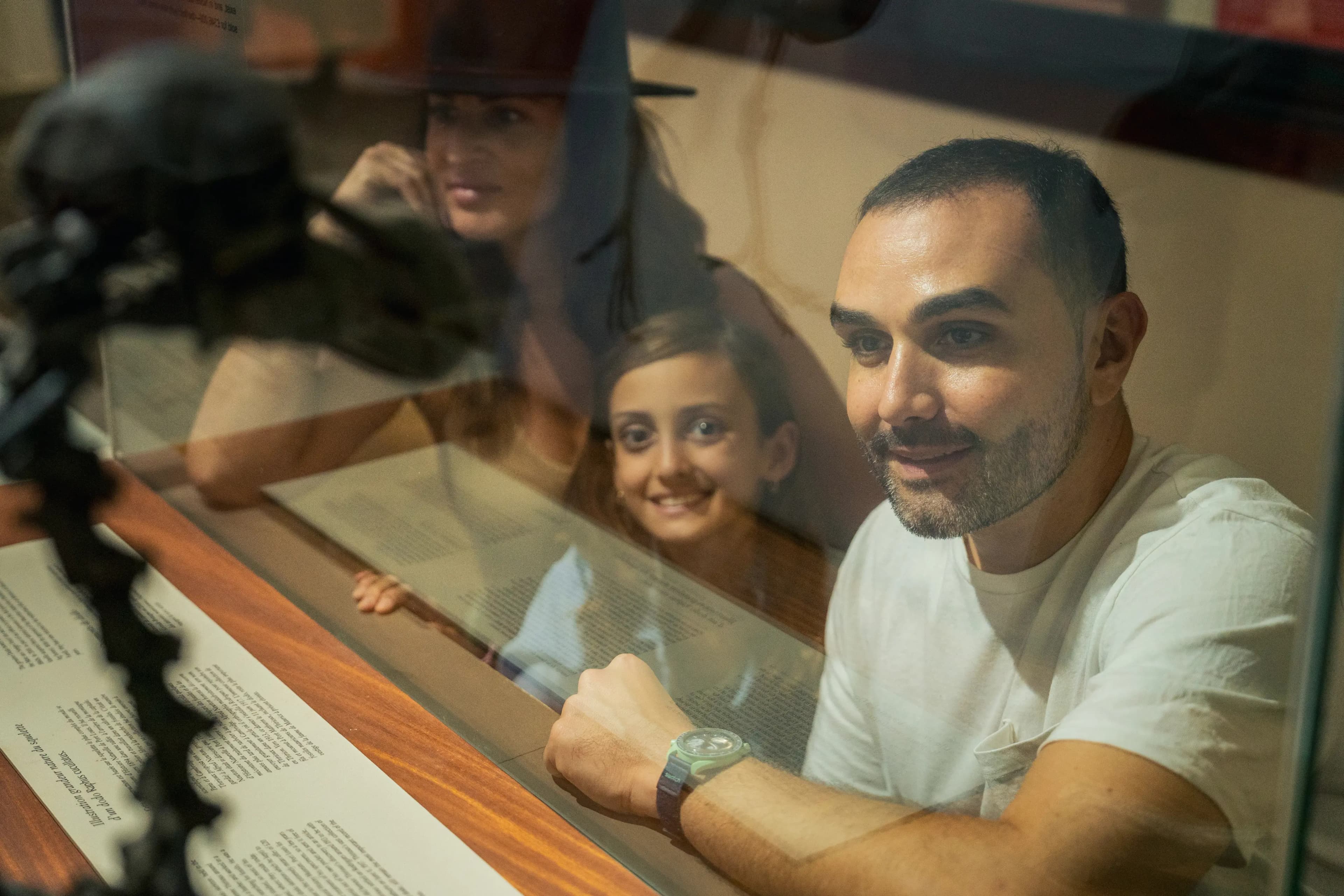
Learning from the past is how we protect what remains.
Why It Matters Today
The dodo is gone. But the lesson isn't.
Every time we lose a species, we lost part of the story of life on Earth.
What survives from now on depends on choices we make today in Mauritius, and everywhere else.
Related Exhibitions
Conservation continues through knowlege, research, and action.
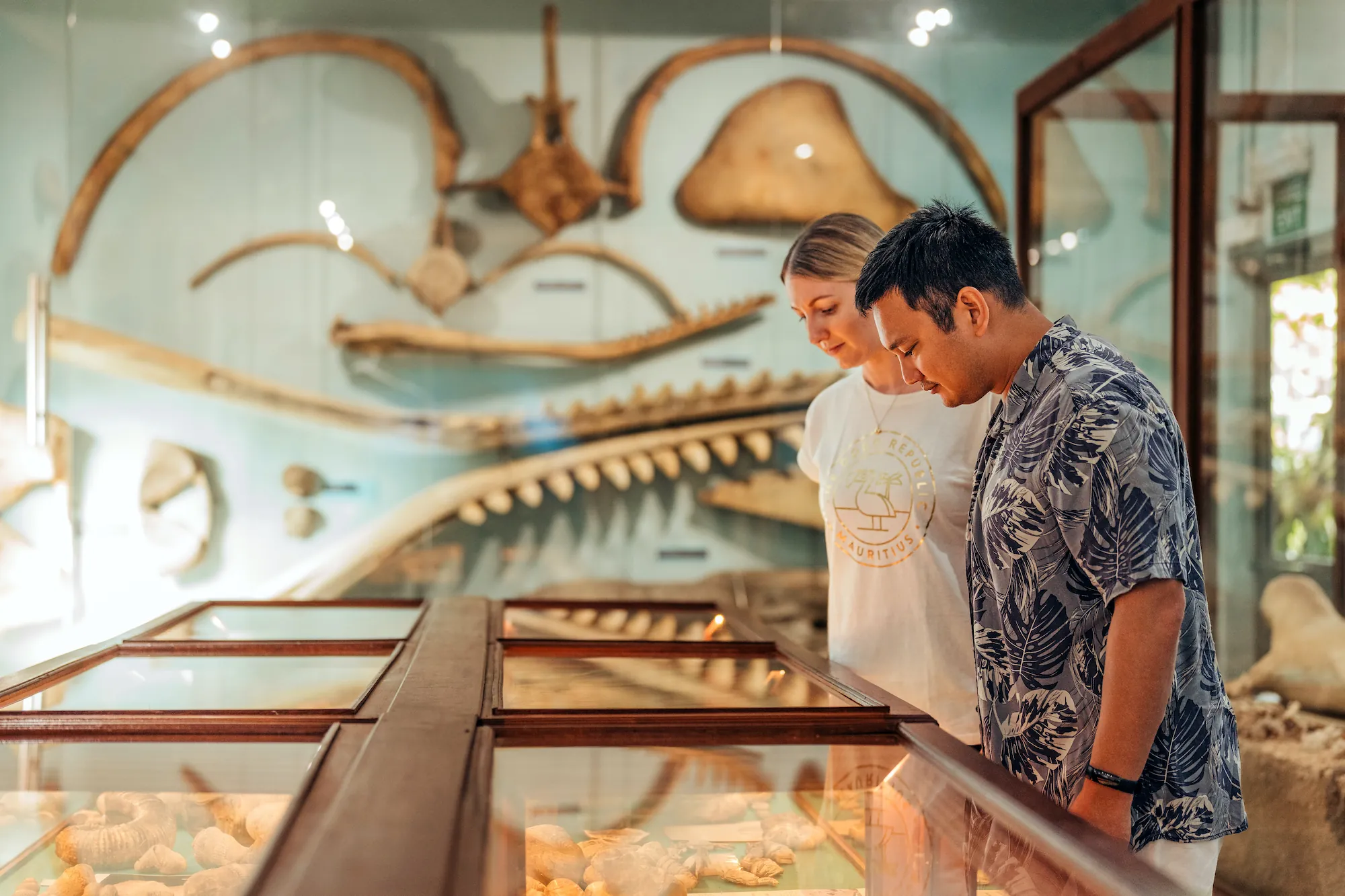
Fossil Museum
Learn more